mihirpanchal.
PRODUCT BUILDER · TORONTO

Talk to customers.
Build what matters.
Ship, learn, repeat.

I’m Mihir. I’ve spent my career talking to customers and turning their problems into products, at startups and at enterprises like Thomson Reuters and RBC. Along the way I taught myself to code, starting with iOS through Stanford’s CS193P lectures. Now I build full-time, end to end: AI products, iOS apps, and the occasional thing I just wanted to exist.

Jump to résumé ↓
↓

Selected work01 — 08

From an idea to something you can use.

01 / AI & CAREERS · CASE STUDY

CruitA voice-first career companion.

  1. 01 · Customer problem

    Most people don’t know what AI can do for their career, and a wall of text doesn’t help.

    Cruit puts those use cases in front of them, AI first where it helps most and blended in where it doesn’t, with tools you can click and a document taking shape while you talk.

  2. 02 · Use case

    One companion for every stage of a career.

    Build a professional brand from scratch, grow it, land the next job, and keep a record of your wins once you have one.

  3. 03 · Prioritization

    I built it in the order my own problems showed up.

    Journaling came first, because I kept forgetting what I’d done. Interview prep came last.

  4. 04 · UX & design

    Voice first, with interactive tools for quick review and input.

    It took three versions to get here, from plain chat to an agent that works beside a live workspace and can rewrite one section of a resume or the whole thing on request.

  5. 05 · Growth & onboarding

    650+ researched articles bring in 5,000 to 10,000 search impressions a day.

    Each article’s call to action opens the matching module, and Cruit also shows up on LinkedIn, Instagram, TikTok, X and Reddit. New users pick their goals, get a resume review, and land on tasks made for them. Search click-through sits near 0.5%, which is why I built SEO Thermostat.

  6. 06 · Architecture

    A router picks one of 10 intents and hands off to a specialist agent.

    The agents run on Agent Pulse, my open-source framework. Tools are schema-validated and plan-gated, replies stream, and an evaluation harness replays real conversations. SvelteKit on Vercel, with GCP Cloud Functions, Firestore, Stripe, GA and PostHog.

  7. 07 · Try it

    Check out the live website.
02 / AI & IMAGINATION · CASE STUDY

KukulalaA little idea. A whole storybook.

  1. 01 · Customer problem

    My kid loves to read and to create his own books, but the current options fell flat.

    Flat narration, art styles you had to know by name, the same names and plots, short page limits and one language. Kukulala is named after my kid’s favourite made-up word.

  2. 02 · Use case

    A one-of-a-kind book for any child, any moment, anywhere.

    Ages 2 to 18, with words and plots that grow with the child. Kids speak their own story, and parents use it for fears, big questions and places worth knowing.

  3. 03 · Prioritization

    Voice-first, visual book creation came first.

    Then style, then characters, then everything that makes waiting and reading feel good. A few things wait until they can be done well.

  4. 04 · UX & design

    It feels like a real book.

    Pages turn with texture, 30+ art styles are picked by sight, and 30+ expressive voices slow down for younger ears, in 60 languages. A little self-playing game keeps kids company while the book is made.

  5. 05 · Growth & onboarding

    Try it before you pay.

    A free 10-page book in onboarding, no sign-in wall, and a public library of example books. Reach comes from Google Ads (about 0.3% click-through so far), Instagram, TikTok, and a YouTube channel of read-alouds generated automatically with HyperFrames.

  6. 06 · Architecture

    A book that streams, and a job that always finishes.

    Gemini streams the story. The cover is drawn first and becomes the reference for every page, so characters stay consistent. Each stage is tracked and retryable, a failed book refunds its credit, and a child’s photo never leaves the device. A workbench compares prompts, models and costs across languages and styles.

  7. 07 · Try it

    Find it on the App Store.

    The first 10-page book is free.

03 / HOME & HARDWARE · CASE STUDY

Android TV LauncherA calmer, faster home for our TV.

  1. 01 · Customer problem

    Our Sony BRAVIA took 10 to 15 seconds to respond, and every click on the remote lagged.

    Meanwhile, the home screen was busy with promotions, sponsored rows and usage reporting. I put the TV in developer mode and, with Claude Code over ADB, found what was running.

  2. 02 · Use case

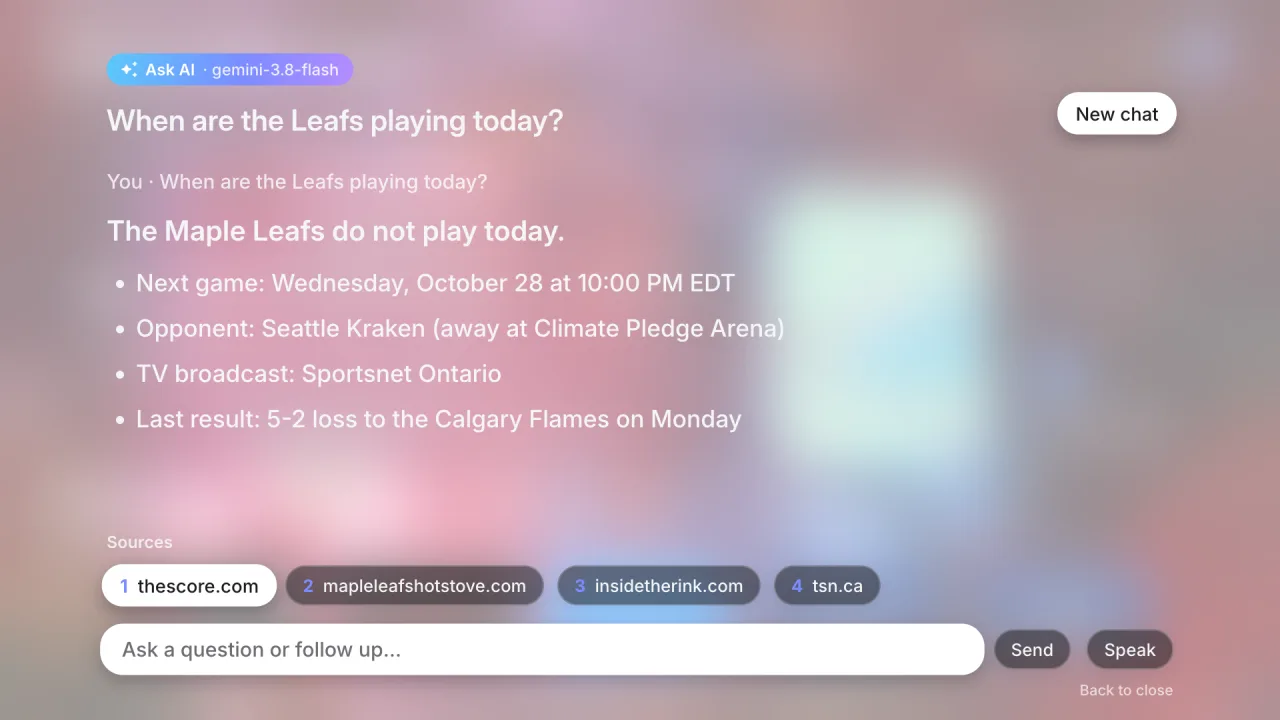
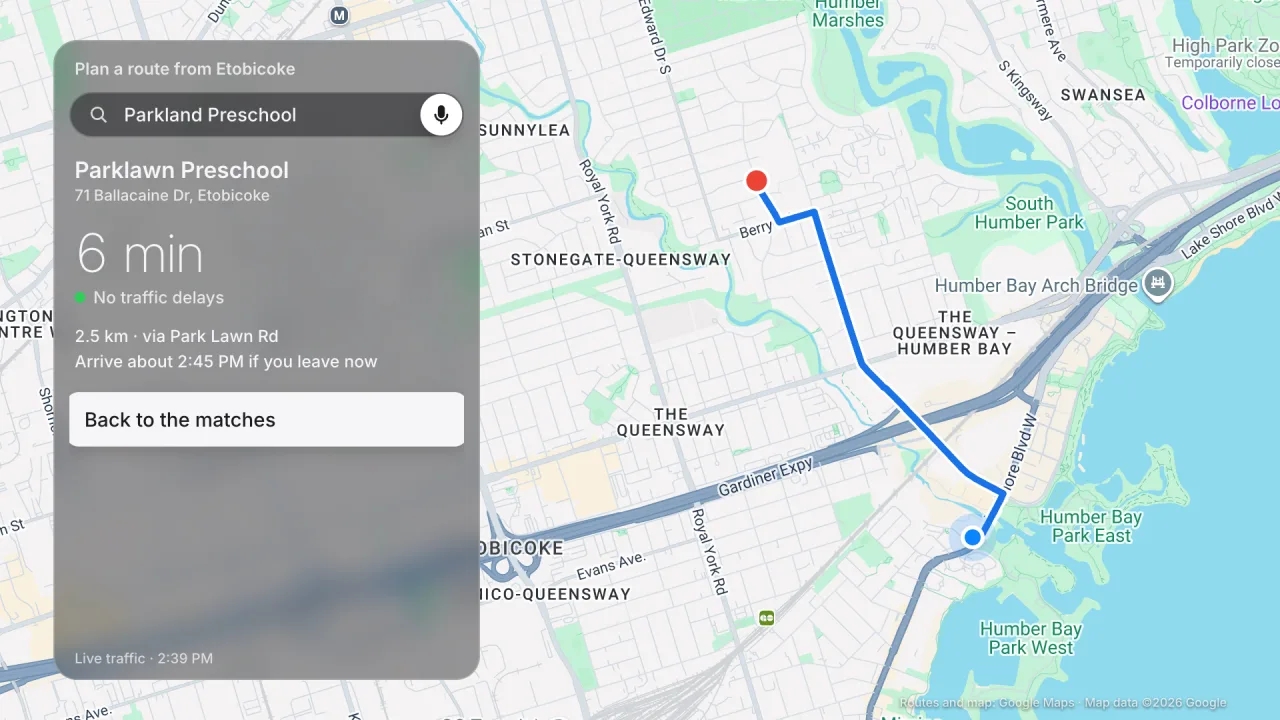
    We brought our TV into the AI age, and now it’s actually helpful: a planning tool for the household.

    • What’s the weather now, and in two hours?
    • Is that fact right?
    • What should we cook tonight?
    • How long is the drive this weekend?

    We used to ask Alexa and got answers we couldn’t see. Now we ask the TV.

  3. 03 · Prioritization

    Use cases first, everything else off.

    Speed and privacy came first, then the four things we do every day. We use five apps at most, so the shelf holds five.

  4. 04 · UX & design

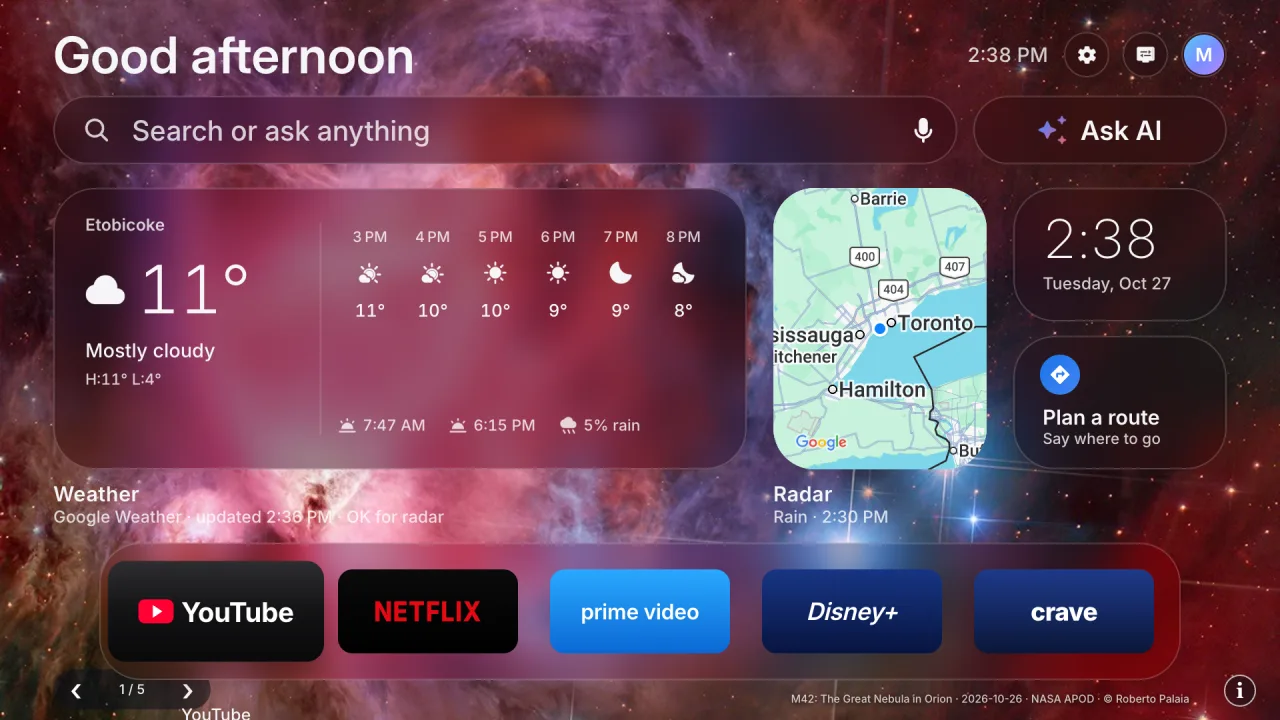
    Glanceable from the couch, over a new photo of space every day.

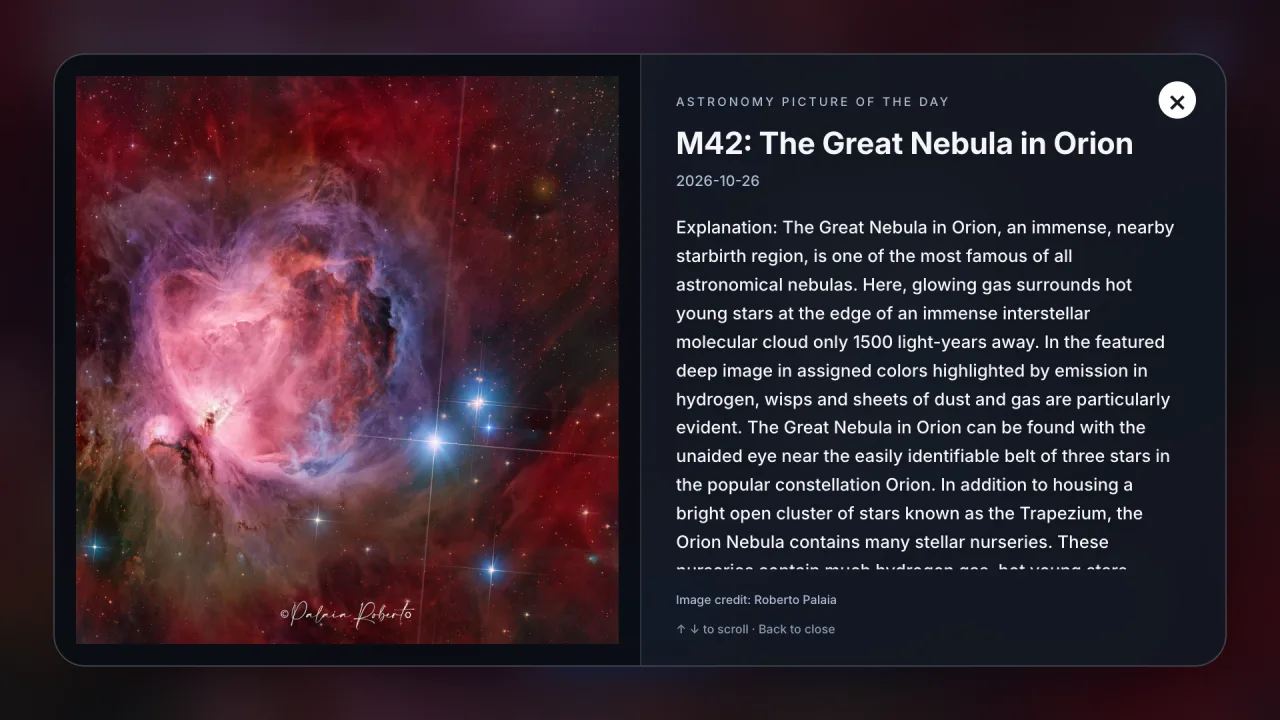
    Hold the mic button built into the remote and just talk: ask AI, plan a route, find a recipe or check the news. Big type and frosted glass keep the weather, radar and time readable from the couch. The background cycles through NASA’s last five pictures of the day, skipping video days. I love astronomy, and the ⓘ panel lets my kid learn what we’re looking at.

  5. 05 · Setup & safety

    Easy to switch back to the native launcher with one click.

    Nothing is uninstalled. Choosing Original restores Sony’s home screen and every app that was turned off. If the new home screen ever crashes three times in five minutes, it switches back by itself. Setting it up is one sentence to Claude Code.

  6. 06 · Architecture

    A 2 MB app, drawn by hand, that uses the TV’s own ADB.

    Plain Java with no Gradle or libraries, drawn on one Canvas and allocating nothing while it draws. It connects to the TV’s debugging port from inside, so nothing listens on the network. Gemini always runs the latest Flash model, grounded in Google Search for current events. Keys are pushed once and encrypted with Android Keystore.

  7. 07 · Code

    It’s open source, under MIT.

    Based on Free My TV, rebuilt for the BRAVIA and our household.

04 / WRITING · LOCAL-FIRST AI · CASE STUDY

ReefnoteA writing room for novelists.

  1. 01 · Customer problem

    Bringing my childhood imagination to life as a hard sci-fi series.

    As a kid I filled notebooks with sketches and stories, including the names of almost 1,000 robots. I want to turn that into an immersive universe. Readable literature should be crafted by a person, so I wanted AI to help me build it from the top down, not write it for me.

  2. 02 · Use case

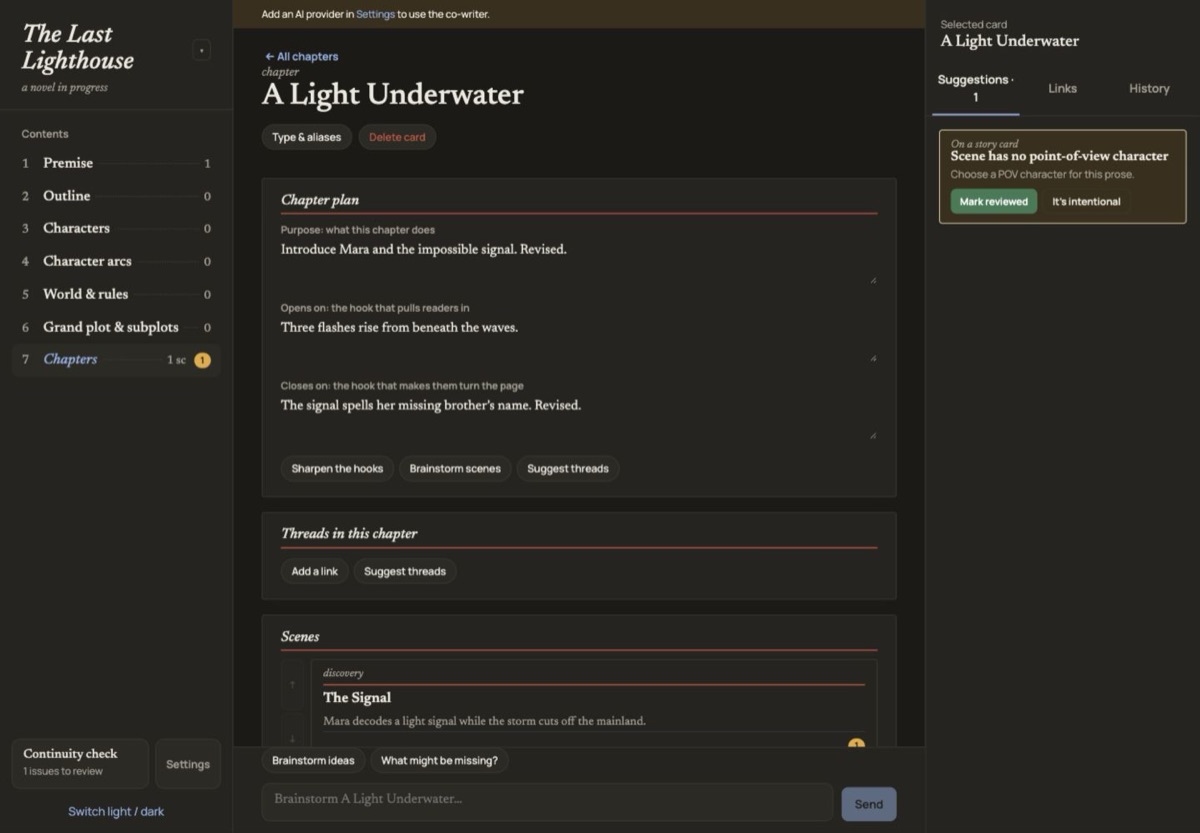
    Two ways to write a story: top down by chapter, or one subplot at a time.

    Plan from the premise down to chapters, scenes and beats. Or, when the book carries several storylines, write each subplot start to finish and assemble the chapters later, instead of switching threads inside every chapter. Keeping the subplots connected stays the author’s job.

  3. 03 · Prioritization

    Each feature came from a problem I hit while writing.

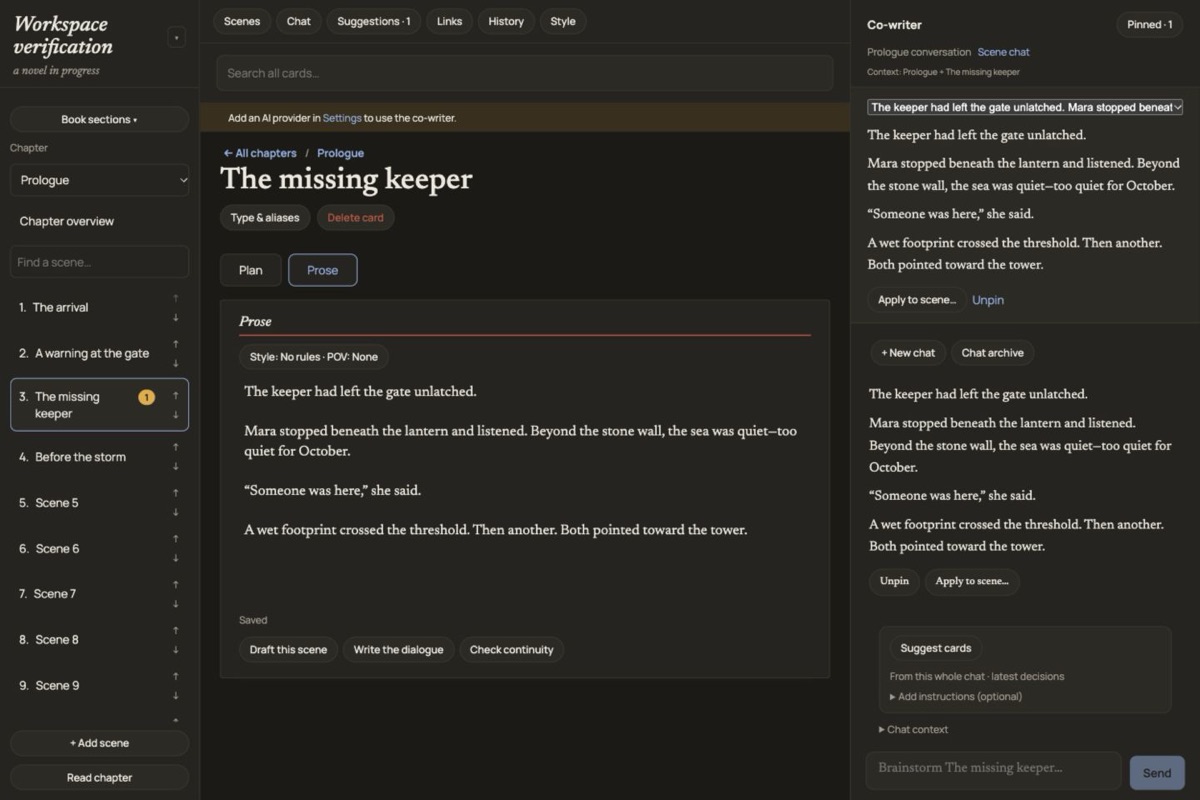
    Cards were suggested after every message, so I made them on request. The AI sounded like AI, so I added a style guide. My prologue carried several storylines, so I built subplot mode.

  4. 04 · UX & design

    The card in the middle, the co-writer on the right.

    The first layout put the card on top and the chat underneath. I rebuilt it so the card reads easily in the centre. Pin a chapter’s chat and keep it open while moving through its scenes. Each card can start a new chat, and older ones are archived.

  5. 05 · Setup & openness

    Open source from day one. Bring your own key, and it all runs locally.

    Clone it, start it, add a provider and key in Settings. Two models do different jobs: one brainstorms and writes, the other turns a chat into card suggestions. Every book lives in one SQLite file on your machine, with no accounts.

  6. 06 · Architecture

    A graph of linked cards, and context retrieved from it for every AI call.

    • Cards link to each other, so the book is a graph.
    • Chat on a card and the AI gets that card, the cards linked to it and its parent. Cards two links away come in as titles only.
    • Questions about the whole book use SQLite full-text search.
    • When it won’t all fit, less important cards shrink to a short summary, then to a title.
    • The AI drafts first. A second pass turns the draft into suggestions I accept or reject.
    • It runs on my Mac, and I reach it from my phone over Tailscale.
  7. 07 · Code

    Still evolving, and open source under MIT.

    I’m using it to write a hard sci-fi series from those childhood notebooks I used to sketch and write in.

05 / FOR MY KID · iOS · CASE STUDY

Battle CardDexEvery creature, every card, every pack.

  1. 01 · Customer problem

    My five-year-old fell for Pokémon at daycare, and the official site wasn’t built for him.

    It’s cluttered with ads and things he doesn’t care about, and the thing he loves most, evolutions, is hard to find.

  2. 02 · Use case

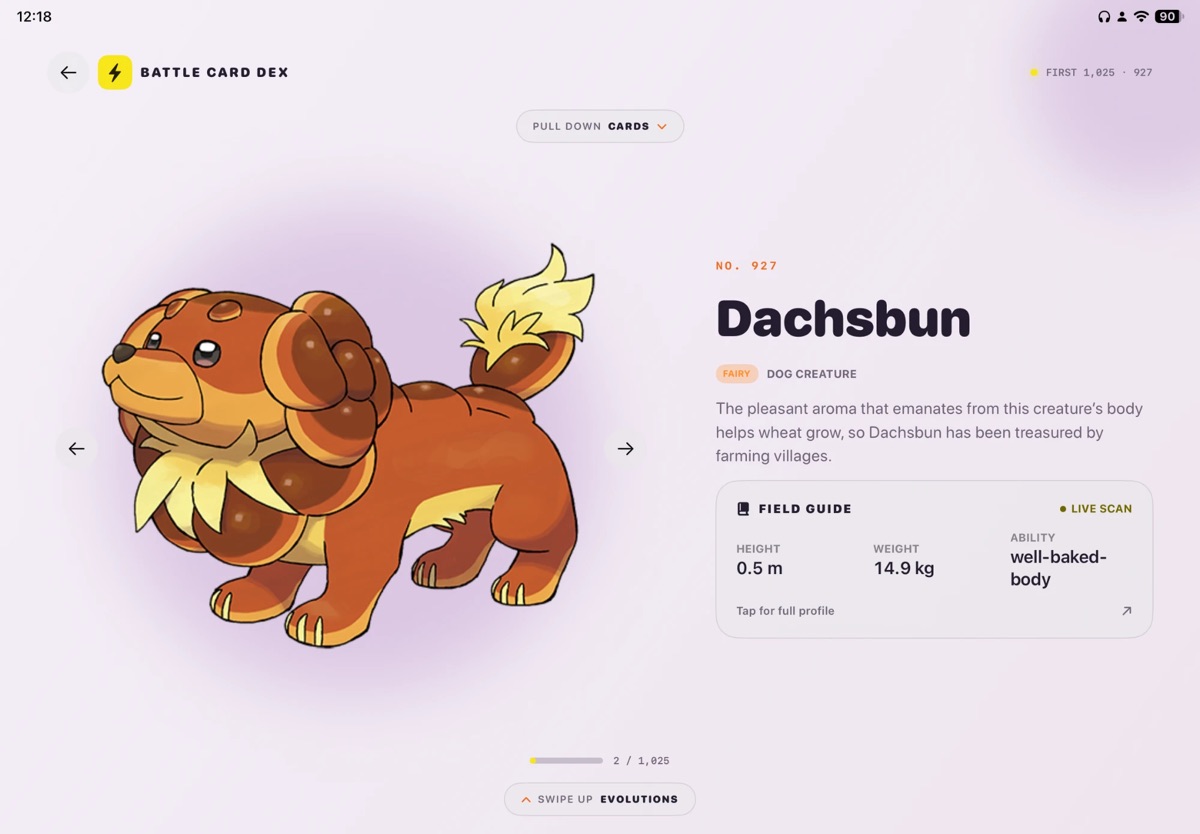
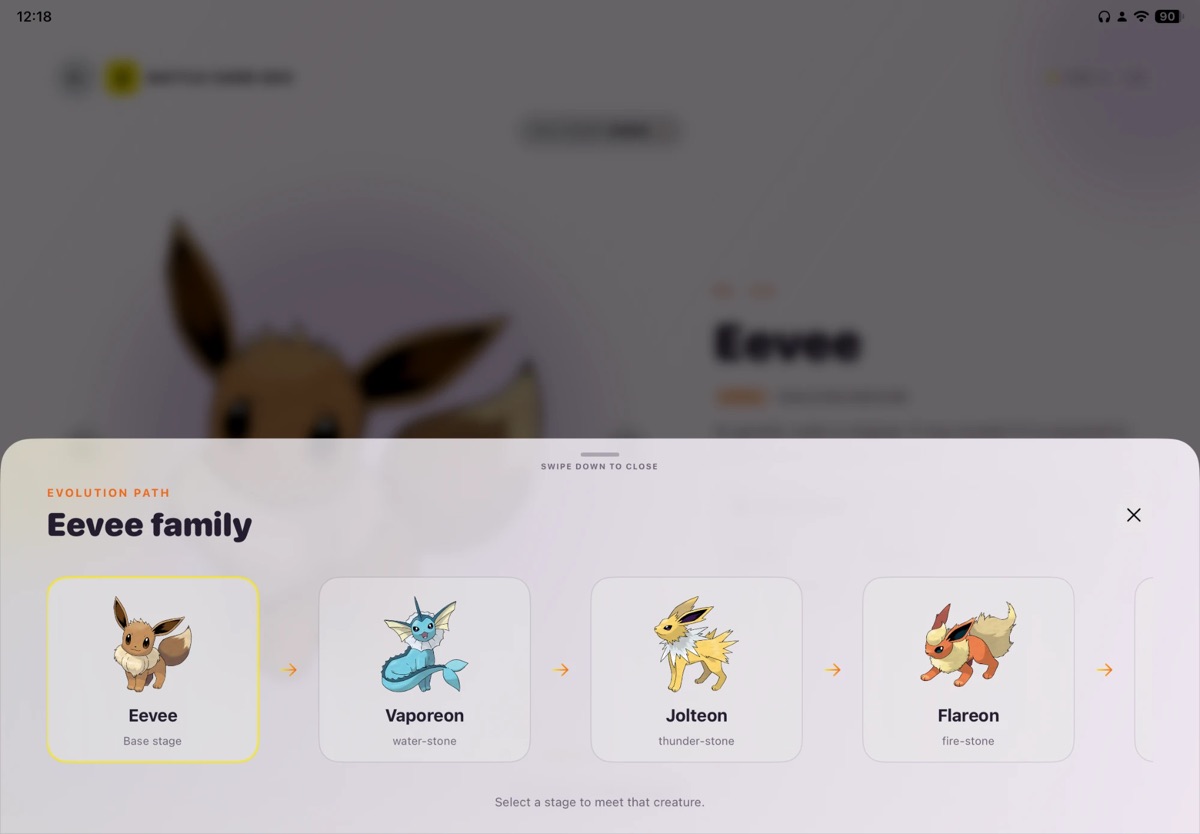
    A field guide a five-year-old can drive with swipes.

    • Browse all 1,025 creatures and tap one to meet it.
    • Swipe up for its evolution chain, and tap any stage to jump there.
    • Pull down for every card ever printed of it, in high resolution.
  3. 03 · Prioritization

    He asked, I built.

    Each feature started as something he wanted next.

  4. 04 · UX & design

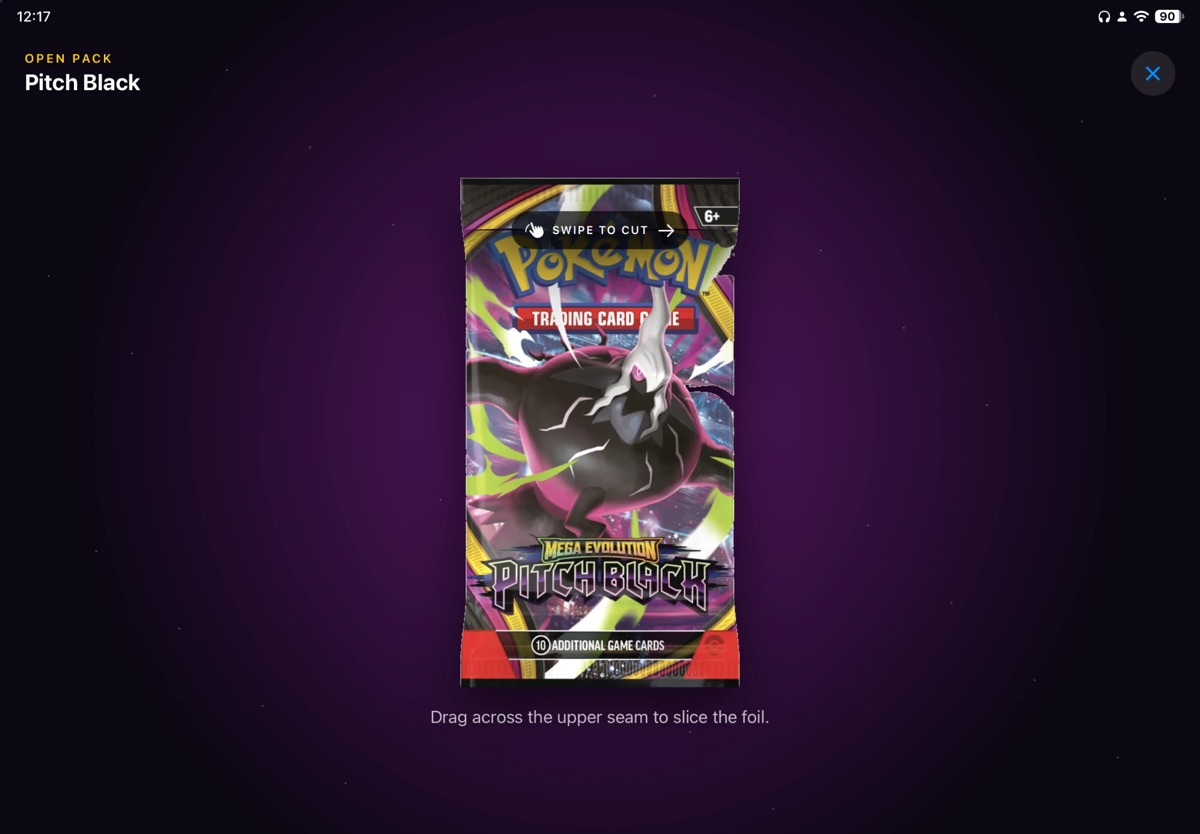
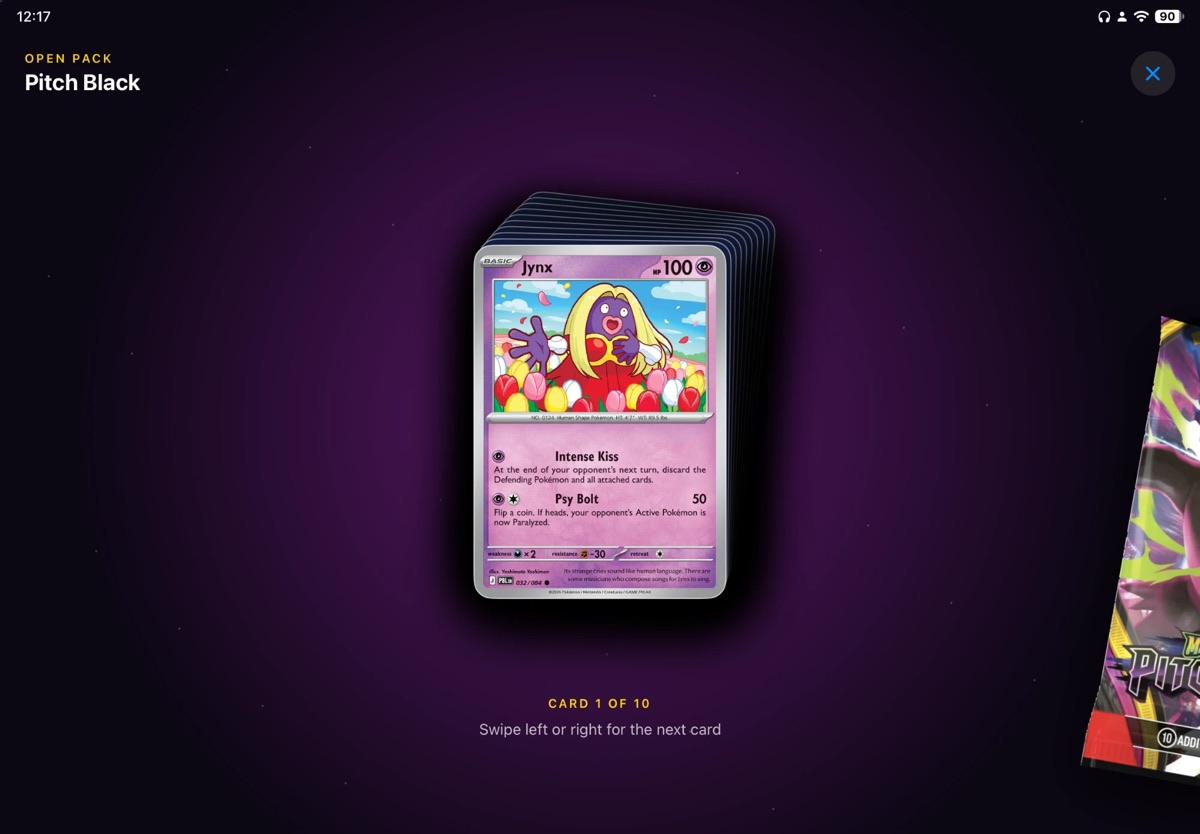
    It feels like opening a real pack.

    • Swipe across the seam to tear the foil.
    • Ten cards drop out face down. Tap to flip, swipe for the next.
    • Packs fill slots like real ones: 4 common, 3 uncommon, 2 foil and 1 rare or better, so the big pulls stay rare.

    Every pack ever printed is here, with its real wrapper art.

  5. 05 · Engagement

    He has spent hours in it, at home and on trips.

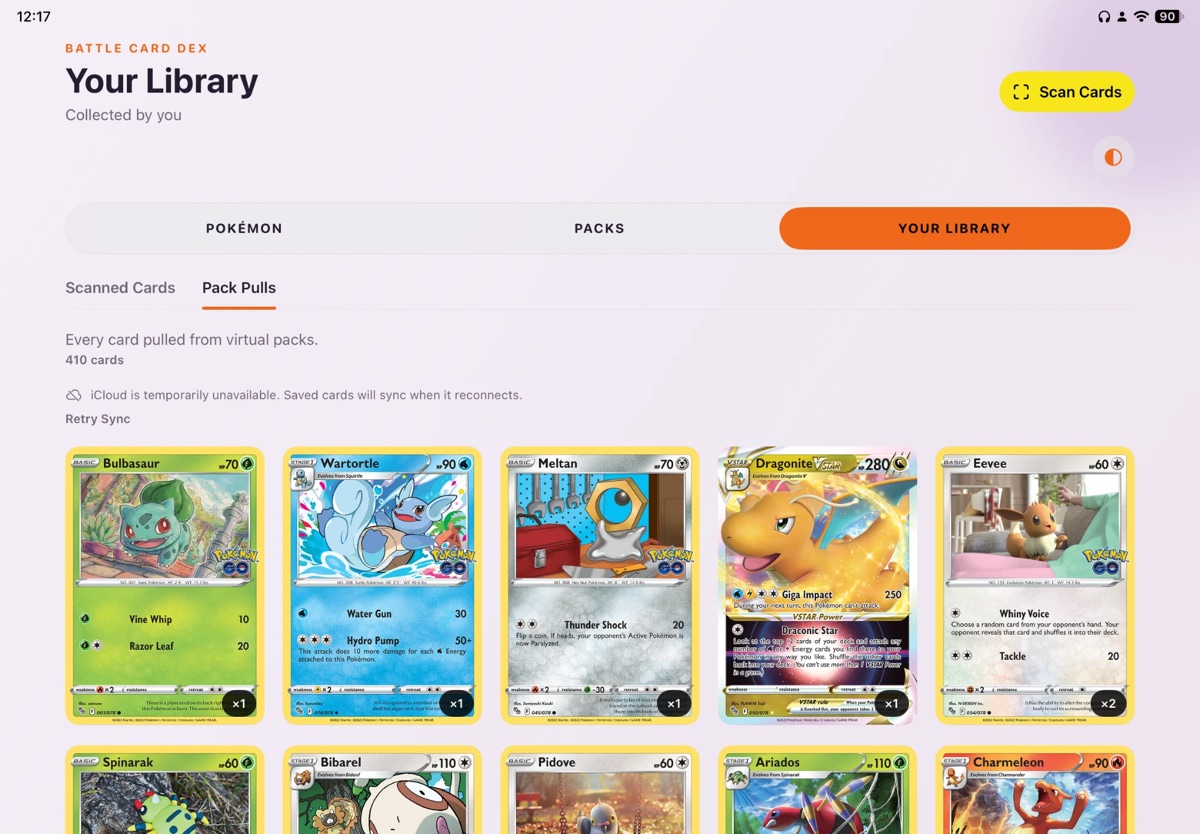
    • 410 cards pulled from virtual packs, and counting.
    • Browsing and packs work offline on iPad and iPhone. Only scanning needs the internet.
    • I documented the whole build in a YouTube series ↗.
  6. 06 · Architecture

    A shared catalog, a private library, and a scanner that finds the exact card.

    • A loader on my Mac imports every creature, card and pack into a public CloudKit catalog.
    • The app keeps a copy on the device with SwiftData, so it works offline.
    • The scanner reads the card on device, Gemini turns the text into fields, and the app matches them to one card in the catalog.
    • Pulls and scans sync through his private iCloud.
  7. 07 · Code

    It’s open source.

    Bring your own Apple, CloudKit and Firebase setup to run it.

07 / PYTHON · MCP · SEO

SEO ThermostatFind the pages
worth improving next.

A local-first Python MCP I developed to connect search performance, analytics, product usage, and page content. It surfaces weak click-through rates, content gaps, and SEO opportunities to help prioritize improvements to existing pages.

PythonModel Context ProtocolSQLiteAlpha
Explore the repository ↗
seo-thermostat / MCPGoogle Search Console
Google Analytics 4
PostHog + page content

↓  Local SQLite analysis

list_seo_opportunities
get_page_health
find_content_gaps
SEARCH SIGNALS → CONTENT DECISIONS

Small screen.
Real products.

There’s more on the App Store.
Published through Coralworks Innovations.

See all my iOS apps ↗
JUST FOR THE FUN OF IT

Not everything
needs a business plan.

World Cup 2026 is a side project: a circular, interactive take on the knockout bracket. A little football, a little SVG, and a good excuse to play with an interface. The tournament is over and its live data feed has gone quiet, so here it replays every knockout round, all the way to the centre.

See the code on GitHub ↗
The radial World Cup 2026 bracket replaying the knockout rounds, with winners advancing toward the centre

Also in the toolbox.

All repositories ↗

Before the studio,
and since.

Product leader turned hands-on builder: from enterprise FinTech and legal platforms to shipping AI products solo.

Download résumé (PDF) ↓
  1. Coralworks Innovations
    Founder & solo AI builder

    An independent AI product studio. Cruit, Kukulala, Agent Pulse and a growing set of agentic tools across web, iOS and APIs.

    Now
  2. Thomson Reuters
    Senior Product Manager

    AI-enabled federated search and an enterprise community and support platform for regulated tax, audit and legal products.

  3. RBC
    Senior Product Manager

    Retail financial planning with MyAdvisor, a group benefits sponsor portal built from scratch, and workplace pension experiences.

  4. SchoolMessenger
    Product Manager

    A website CMS used by school districts, a mobile app, and Practicum mentor matching taken from concept to market.

  5. Tech Mahindra
    Tech Lead

    CRM solution design and customer-facing delivery for large telecom clients in Mumbai and London.

FOCUS

LLM integration and agentic systems · Agent orchestration · LLM evaluation · Full-stack development · Enterprise search · FinTech and regulated SaaS

STACK

TypeScript · Python · SvelteKit · React · Node.js · Swift · OpenAI, Gemini, Anthropic APIs · MCP · GCP / Firebase · Stripe

EDUCATION

MBA, University of Oxford
BEng, Electronics and Telecommunications, University of Mumbai

BEYOND THE REPOSITORIES

Some things are
better shown.

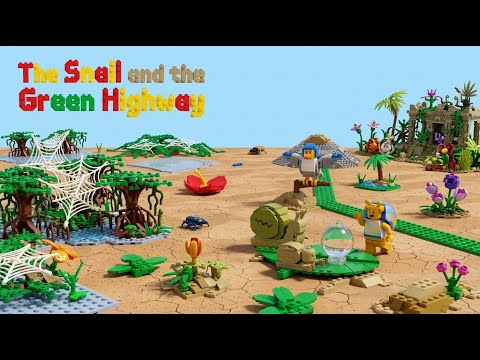
You’ll find me on YouTube, too.
A different window into what I’m making.

Visit my YouTube channel ↗
MIHIR PANCHALON YOUTUBE ↗